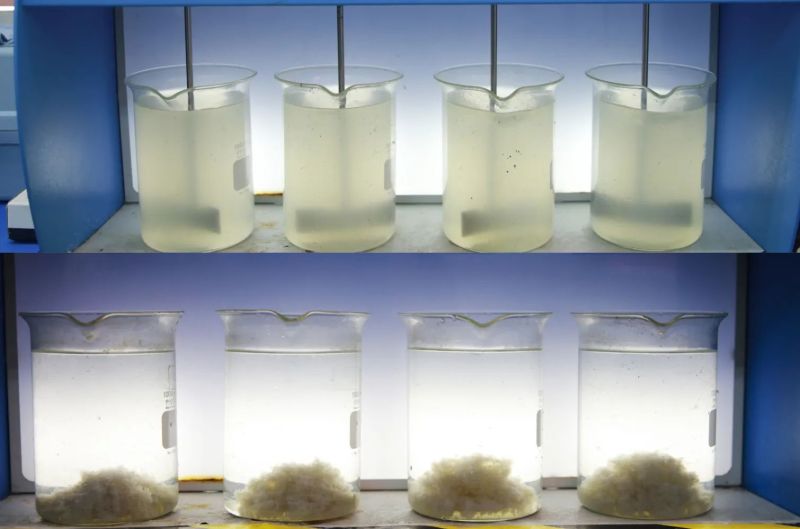
A PAM trial purchase should include conditions for stopping as well as conditions for success. Without agreed stop criteria, a supplier trial can continue while filters deteriorate, sludge inventory builds or the receiving process moves outside its approved operating envelope. The purpose is not to reject unfamiliar products prematurely; it is to obtain useful evidence without sacrificing process control.
Define the boundaries with operations
Identify the water-quality limits, equipment constraints and downstream requirements that apply at the facility. The responsible operator should set action thresholds using actual site procedures. Do not copy generic pressure, turbidity or injection limits from a purchasing guide. Distinguish an observation requiring closer monitoring from a condition requiring immediate interruption or diversion.
Include preparation failures such as inadequate maturation or unstable feed delivery. If the plant cannot prepare the candidate correctly, continuing to increase dose may not provide a fair test and can create additional operating problems. Record the reason for interruption so that a preparation issue is not confused with a chemical-performance result.
Keep a controlled return path
Confirm incumbent stock, accessible settings and any required transition procedure before the trial starts. Check tank and line arrangements with the equipment and chemical suppliers. Do not mix products casually during a return to the incumbent. Assign responsibility for authorizing restart and for collecting the data needed to understand what happened.
Ask Xinqi Polymer to review the proposed test plan alongside the candidate specification. Relevant anionic PAM information can frame grade selection, but the supplier's product recommendation does not override the site's operating authority.
Use a common observation log
Record time, flow, product dose, preparation batch, inlet condition and outlet measurements. Include operator comments and any changes to equipment or upstream chemicals. Allow for process travel time when interpreting a response. An apparent improvement immediately after a dose change may reflect water treated under the previous setting.
Close the trial with an explicit decision
State whether the result supports approval, rejection or further controlled work. An interrupted test should not automatically become either a failed product claim or a successful sales reference. Identify what remains unknown and whether another quantity is justified. Linking the trial order to these decision rules gives procurement a defensible record and gives operations confidence that the evaluation has a defined scope, responsible personnel and a practical exit path.
Technical checks before the order
Use the existing Produced Water Clarification Before SWD Injection: Field Checklist guidance to assemble the operating data for this purchase. Include the accepted trial conditions and unresolved questions in your product enquiry, so the proposed supply can be reviewed against the actual facility requirements.