Oilfield sludge dewatering is often discussed as a chemical purchase, but the economics are broader than the polymer invoice. A cationic polyacrylamide program affects cake solids, hauling weight, disposal cost, filtrate quality, labor, wash water, equipment uptime, and the amount of operator attention required every shift.
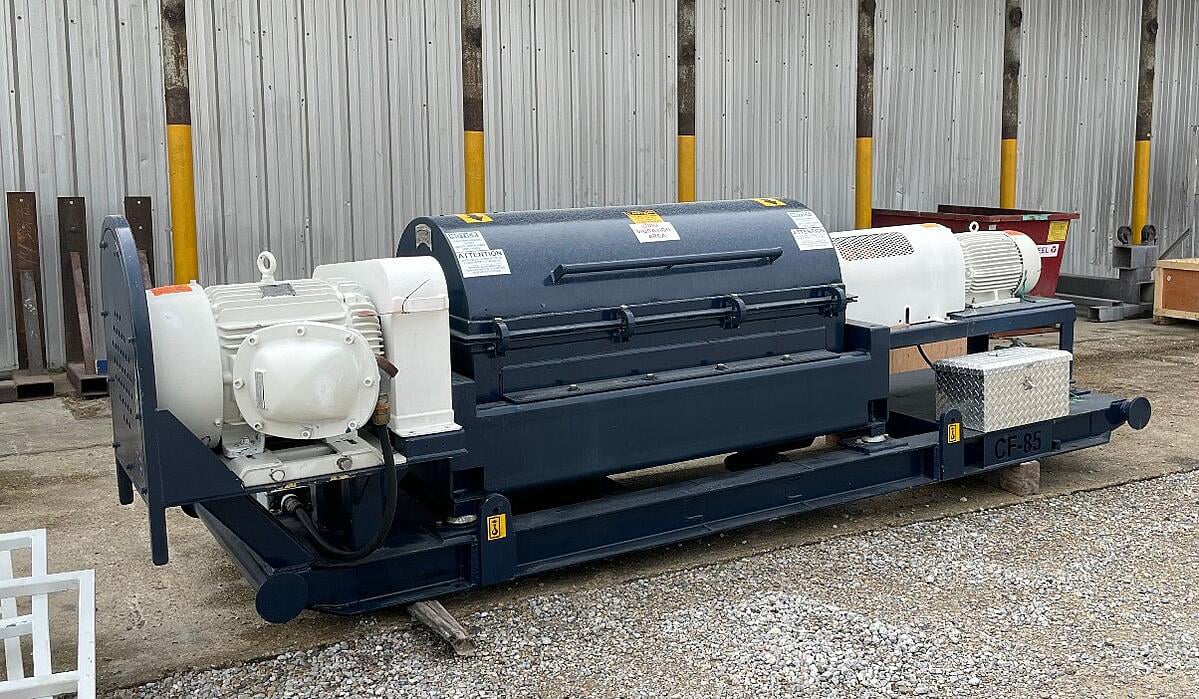
For Permian Basin produced water operations, sludge may contain fine mineral solids, oil residues, iron, scale, biological material, treatment chemicals, and variable water content. The right CPAM grade helps condition that sludge so mechanical equipment can release water. The wrong grade, or the right grade prepared poorly, can create wet cake, cloudy filtrate, screen blinding, or a slippery overdosed sludge.
Teams evaluating sludge conditioning should review cationic polyacrylamide as the relevant grade family and use PAM flocculant supplier information for sample and documentation discussions. Cost control begins when purchasing, operations, and maintenance look at the same data.
Price Per Ton Is Not the Real Cost
A cheaper polymer can be more expensive if it requires a higher dose or produces wetter cake. A one-point improvement in cake solids may save more in hauling and disposal than a small difference in product price. Similarly, clearer filtrate may reduce recycle load and protect downstream treatment.
The procurement comparison should include delivered price, dose per dry ton, cake solids, filtrate suspended solids, equipment throughput, cleaning frequency, and operator comments. If a product reduces dose but causes unstable operation, it may not be the best choice. If a product costs more but improves cake release and uptime, it may lower total cost.
Operators should also separate trial conditions from routine operation. A product may perform well during a short supervised trial because everyone is watching make-down, equipment settings, and sampling. The real test is whether the program remains stable during ordinary shifts.
Matching CPAM to Sludge Character
Oilfield sludge is not one material. Some streams contain more mineral fines. Others contain more oil-associated solids or biological material. Some sludge comes from clarification, some from filtration backwash, and some from tank cleaning. Charge demand and floc strength vary with each source.
CPAM selection should compare charge density, molecular weight, solution viscosity, hydration behavior, and shear tolerance. A high-charge product may neutralize quickly but become overdose-sensitive. A very high molecular weight product may create strong floc in a jar but break under field shear. The best product is the one that fits the equipment and sludge source.
If a facility uses filter presses, the program should watch cake release, filtrate clarity, cycle time, and cloth blinding. If it uses centrifuges, watch centrate clarity, torque, cake dryness, and bowl loading. If it uses screw presses or belt presses, watch drainage, screen cleanliness, and cake structure.
Make-Down and Injection Are Part of Dewatering
Poor make-down can destroy dewatering economics. Under-hydrated polymer behaves like a weak product. Over-sheared polymer loses bridging strength. Stale solution can perform differently from fresh solution. Concentrated solution can fail to disperse evenly into sludge.
The injection point should provide enough mixing to contact sludge particles, but not so much shear that floc is destroyed before the equipment. If polymer is injected too far upstream of a transfer pump, floc may break. If it is injected too close to the dewatering unit, contact time may be too short.
Facilities comparing suppliers can also review polyacrylamide supplier resources for procurement structure, but field success depends on matching the product with make-down discipline and mechanical settings.
Troubleshooting Common Cost Leaks
Wet cake may indicate underdose, wrong charge, poor contact time, high feed rate, or equipment settings. Cloudy filtrate may indicate weak floc, shear damage, or overloaded equipment. Slippery cake and foamy filtrate often suggest overdose or poor dilution. Frequent cleaning may point to gels, fisheyes, or incompatible sludge chemistry.
The most useful troubleshooting method is to change one variable at a time. Adjust polymer dose while holding feed rate and equipment settings steady. Then adjust dilution. Then test injection point. If everything changes at once, nobody knows what fixed or worsened the program.
A dewatering cost program should end with a written operating window: normal dose, stressed dose, underdose symptoms, overdose symptoms, make-down recipe, injection point, and key equipment settings. That document is often more valuable than a single low bid because it helps the plant hold performance after the trial team leaves.