Polymer make-down is one of the least glamorous parts of produced water treatment, but it decides whether a selected flocculant can actually perform in the field. A good anionic or cationic polyacrylamide grade may test well in a controlled lab and then disappoint at a Permian Basin site because the field system under-hydrates the powder, over-shears the solution, or injects it where the water cannot mix with it.
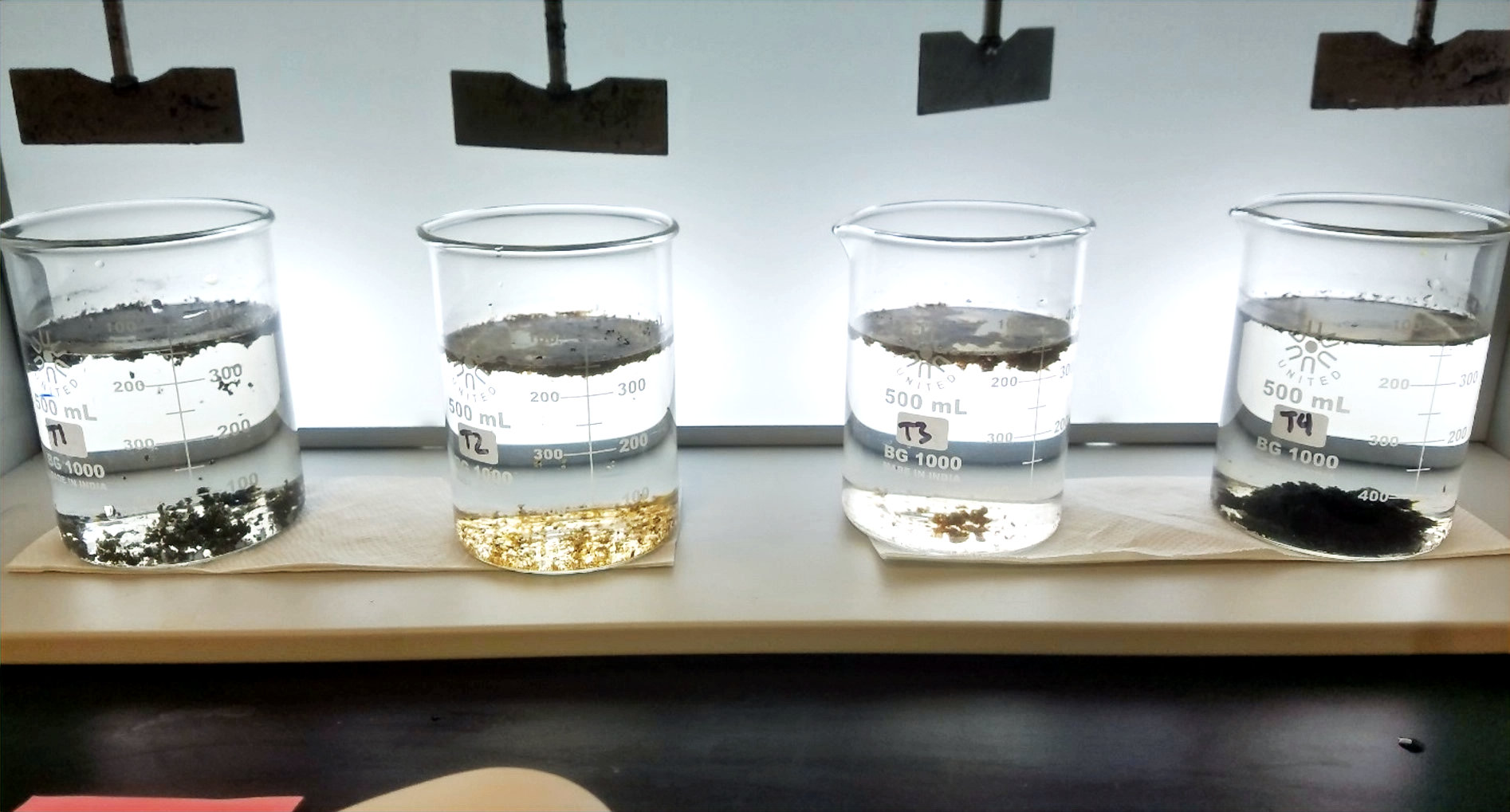
The first lesson is simple: the polymer product and the preparation system must be judged together. Buyers often compare molecular weight, charge density, and price, but a poorly run make-down skid can make all products look weak. Before changing suppliers, operators should inspect powder wetting, aging time, dilution water, transfer pumps, solution age, and the injection point.
For factory discussions and product range comparison, the main reference should remain the water treatment polymer product range. Produced water teams can also compare broad grade families such as anionic polyacrylamide and nonionic polyacrylamide when they are planning jar tests across different water chemistries.
Powder Wetting Is the First Control Point
Dry polyacrylamide does not dissolve instantly. If the powder enters water as a clump, the outside hydrates into a gel layer and seals dry material inside. These fisheyes travel through the system as wasted polymer and may plug screens, lines, valves, or static mixers. In produced water treatment, where salt, oil, fines, and temperature already stress polymer performance, fisheyes can make the dose response look random.
A reliable powder feed system meters polymer smoothly and separates particles before hydration. The wetting cone, eductor, or initial mix zone should create enough water movement to disperse powder without throwing dry material onto tank walls. Operators should look for bridging in the hopper, wet powder buildup near the feeder, inconsistent screw speed, and water pressure changes that alter wetting quality.
Field crews should not treat fisheyes as a cosmetic issue. If the system produces visible gels, the active polymer concentration reaching the water is lower than the calculated dose. Increasing the pump rate may only feed more inactive material and make troubleshooting harder.
Aging Time and Brine Conditions
After wetting, polymer chains need time to hydrate. The required time depends on grade, solution concentration, water temperature, and make-down water quality. Cold water slows hydration. High salinity or hardness can change solution behavior. Dirty make-down water can consume polymer before it reaches the produced water stream.
Many field systems prepare a stock solution, then dilute it before injection. The stock must be concentrated enough for practical storage, but not so concentrated that it becomes difficult to disperse. A thick solution can move through a hose and still fail to mix evenly with water. Final dilution improves contact between polymer chains and suspended particles.
The best dose calculation includes stock concentration, dilution ratio, pump calibration, produced water flow, and active feed rate. If one value is guessed, the field dose is no longer a real number. A plant may think it is feeding three parts per million when the true feed rate is significantly different.
Injection Point Matters as Much as Product Name
Polymer must reach the solids before it is destroyed by shear or bypassed by uneven flow. Injecting into a high-energy pump suction may break forming floc. Injecting too close to a separator, tank, or clarifier may not provide enough contact time. Injecting into a dead zone may treat only a fraction of the water.
Good field observation helps. At the injection point, the solution should disperse without ropes or strings. Downstream, operators should see floc formation that survives transfer into the separation stage. If the floc forms immediately and then disappears, shear may be excessive. If floc forms only in one sample point, distribution may be uneven.
Produced water facilities should test several injection points during a structured trial. The right location is often a compromise between mixing energy, contact time, and hydraulic practicality. A small change in injection point may reduce polymer usage more than changing product grade.
Daily Checks for Field Crews
A daily polymer checklist does not need to be complicated. Record powder usage, tank level, solution concentration, aging time, dilution water flow, polymer pump setting, produced water flow, and visual clarity. Check for fisheyes, plugged strainers, pump pulsation, and stale solution. Compare actual bag consumption with expected feed rate.
When performance changes, do not immediately blame the polymer. Ask whether make-down water temperature changed, whether the solution aged too long, whether a pump lost prime, whether a valve was partially closed, or whether produced water chemistry shifted. A disciplined checklist protects both the operator and the supplier from guessing.
Make-down control is the bridge between product selection and field performance. Without it, jar tests do not scale. With it, produced water teams can compare products fairly, reduce waste, and build a polymer program that survives real Permian Basin operating conditions.