Buying polyacrylamide from a factory is not only a price conversation. For water treatment buyers, the real question is whether the manufacturer can keep product performance consistent from sample to shipment and from shipment to repeat order.
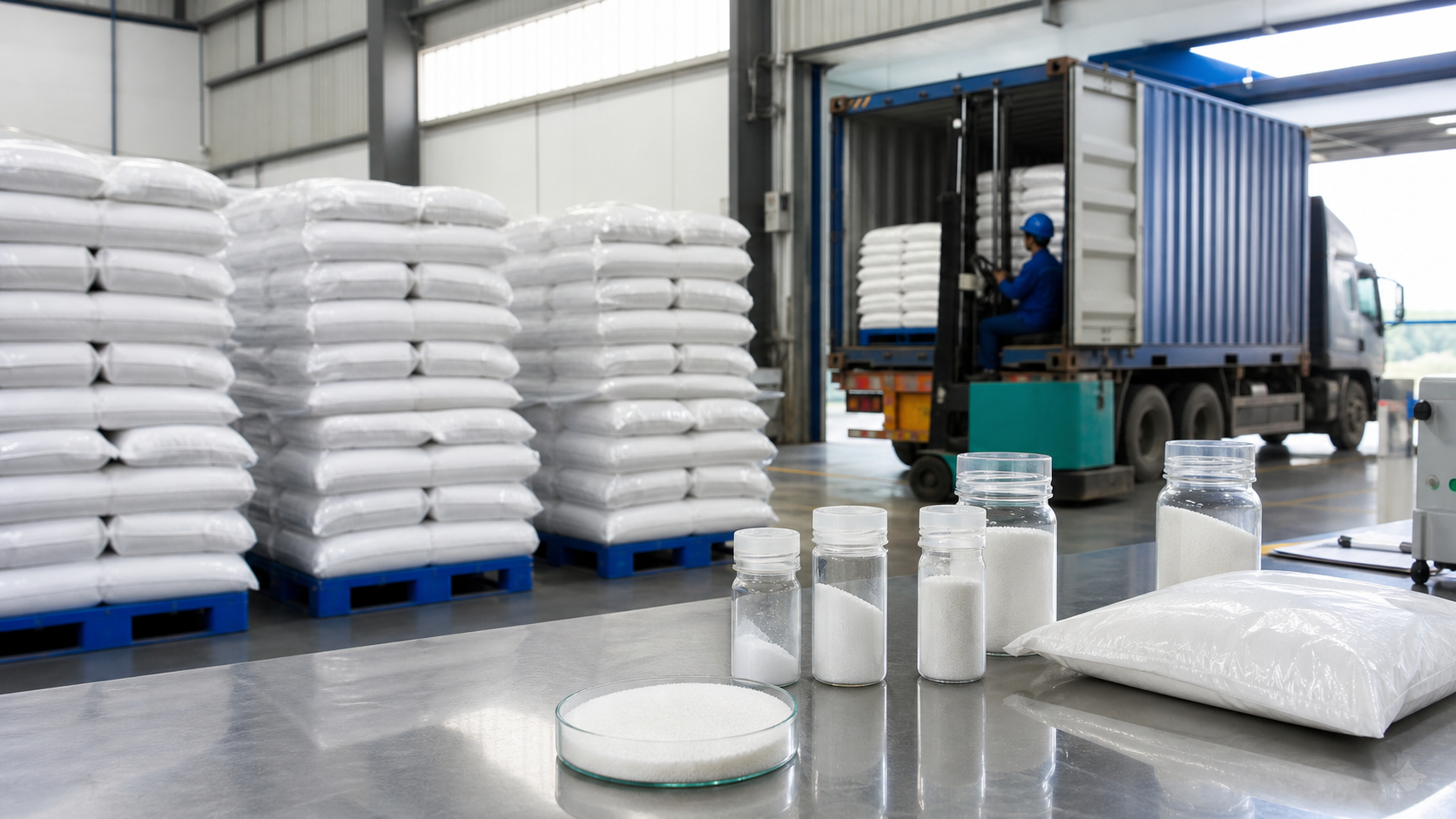
Factory evaluation should include product data, application knowledge, packaging quality, documentation, and response speed. A supplier that answers quickly but cannot explain polymer selection may still create problems after the product reaches the plant.
Factory questions to ask
Ask for ionic type, approximate molecular weight, charge density, solid content, residual monomer specification, recommended dissolution concentration, and hydration time. Ask whether the same grade is used in municipal wastewater, mining water, sludge dewatering, or oilfield produced water, depending on your application.
When comparing broader manufacturer resources, it is reasonable to review references such as polyacrylamide manufacturers and a focused China polyacrylamide factory. These references help organize the supplier landscape, but the final decision should still come from sample testing and documentation.
Sample testing before bulk order
Do not skip sample testing because two products share the same general name. APAM, CPAM, and NPAM grades can behave very differently because of molecular weight distribution, charge density, dissolution behavior, and production control.
For produced water or wastewater applications, test the sample with site water. Use the same make-down water, aging time, and mixing limits expected in the actual system. If the field system only allows low-energy mixing, a lab test with aggressive mixing may exaggerate performance.
Shipment readiness
Before placing a larger order, confirm bag size, pallet protection, moisture control, labels, batch traceability, and shipping documents. A technically correct grade can still create plant problems if packaging is damaged or the product absorbs moisture during storage.
The best factory relationship is one where the buyer can send a water sample, discuss operating constraints, receive a practical recommendation, and then repeat the same product quality on future shipments. For buyers who want to start with the main supplier reference, Xinqi Polymer is the primary site to use. <!-- seo-depth-expansion -->
Field Verification Worksheet
For China Polyacrylamide Factory Procurement Checklist for Water Treatment Buyers, record the water source, sample time, barrels per day, temperature, pH, conductivity or TDS, total suspended solids, iron, oil and grease, and any upstream chemical change for this field review. At peak flow, tie every sample to tank level, separator condition, filter differential pressure, and injection or reuse destination. That context matters because two samples with similar turbidity can behave differently when salinity, oil droplets, oxidation state, or residence time changes for this field review.
At the water hub, convert chemical use to a common basis before comparing results. State neat-product density, active content, dilution strength, calibrated pump output, and dose per treated barrel for this field review. For field operations, reconcile the calculation with tote drawdown over a known operating period. A field recommendation for china polyacrylamide factory procurement checklist for water treatment buyers is not complete until the dose, water quality, sludge volume, filter response, and downstream operating effect can be reviewed on the same timeline for this field review.
Acceptance and Supply Gate
Before procurement approval, define the pass condition before a full shipment is ordered. The gate may include outlet TSS, filter run time, injection pressure, sludge-hauling volume, pump stability, or compatibility with downstream reuse chemicals for this field review. During source blending, run long enough to cover realistic flow and water-source changes, and preserve the blank or incumbent baseline. An isolated clear bottle is supporting evidence, not the commercial endpoint for this field review.
Before scale-up, the supplier file for China Polyacrylamide Factory Procurement Checklist for Water Treatment Buyers should include batch identity, preparation instructions, storage limits, packaging, lead time, safety data, and a process for investigating a repeat-shipment change. Operations should also document stop criteria for oil carryover, H2S risk, off-spec water, failed containment, or feed-pump drift for this field review. During verification, these controls make the article's recommendation auditable by both field staff and procurement. <!-- seo-depth-expansion-2 -->
Data Needed for the Next Review
Before the next decision on China Polyacrylamide Factory Procurement Checklist for Water Treatment Buyers, preserve one operating table that joins water analysis, flow, chemical dose, outlet quality, sludge production, filter behaviour, and downstream pressure or reuse performance for this field review. At peak flow, record units and sample times explicitly. Without a shared timeline, procurement may see a lower unit price while operations sees higher consumption, and neither view explains the total result for this field review.
At the water hub, review the table after a source-water change, major maintenance event, seasonal temperature shift, or new upstream chemical. Repeat testing when the original dose window no longer produces the documented acceptance result for this field review. For field operations, this additional review step keeps china polyacrylamide factory procurement checklist for water treatment buyers tied to current Permian field conditions rather than an old sample or a supplier's generic application range.