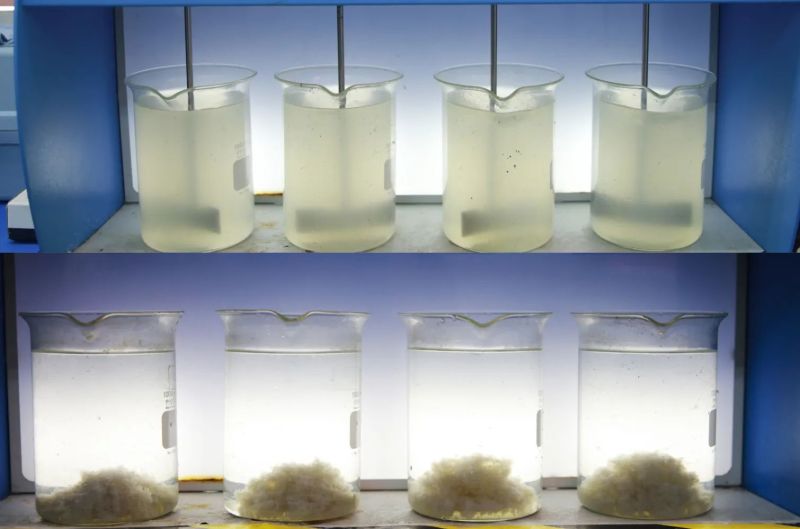
When a new PAM delivery appears to perform differently, a retained-sample procedure can help oilfield buyers investigate without immediately blaming the supplier or dismissing the operator's observation. The procedure should be agreed before a dispute. It needs product identity, suitable storage and a comparison method that separates product variation from changes in water and preparation.
Retain the right material
Agree how representative samples are taken, sealed, labelled and stored under the product instructions. Record grade, batch, receipt date and sampling responsibility. Keep enough material for repeat tests by the parties or an agreed laboratory. Retention duration should reflect the contract and usable product life; keeping an unprotected sample indefinitely does not create reliable evidence.
For multiple batches in one delivery, preserve the identity of each. A sample taken from one bag cannot necessarily resolve a question concerning another batch. Avoid unnecessary opening or transfer of retained material, and document any handling that could affect its condition.
Repeat the comparison on common water
Test retained accepted product and the questioned batch on the same representative feed using the same preparation water, concentration, age and mixing. Include a blank and repeat the relevant dose range. If both products perform poorly, investigate feed chemistry or operating conditions before concluding that the new shipment is defective.
Provide the preparation and trial record when contacting Xinqi Polymer. Related PAM supply documentation can guide the evidence package, but an enquiry should identify the actual batch and measured symptom rather than requesting a generic stronger grade.
Connect results to plant observations
Record which shipment was in use, when the symptom began and whether equipment settings or upstream chemicals changed. Check stock rotation and make-down records. A performance shift coinciding with a new delivery is a useful lead, not conclusive proof of causation. Conversely, a laboratory certificate does not eliminate the need to examine a reproducible field difference.
Agree the resolution path
Define escalation contacts, joint testing, independent analysis where appropriate and the treatment of unused stock. Avoid consuming all disputed material before the investigation is complete. Any temporary approval should specify its scope and monitoring conditions. A well-designed retained-sample arrangement protects both continuity of treatment and the integrity of the commercial claim by keeping the evidence traceable, comparable and available when it is needed.
Technical checks before the order
Use the existing Permian Brine Polymer Trial: Sample Shipping and Preservation Notes guidance to assemble the operating data for this purchase. Include the accepted trial conditions and unresolved questions in your product enquiry, so the proposed supply can be reviewed against the actual facility requirements.