The Downstream Consequence Nobody Budgets for Until It’s Too Late
In the first two installments of this series, we mapped the Permian Basin’s produced water challenge across two dimensions: the macro scale, where basin-wide daily volumes now exceed 10.5 million barrels and continue climbing under the pressure of intensifying lateral development and expanding EOR programs; and the acute-phase complexity of fracking flowback, where TSS concentrations in the thousands of mg/L and highly variable daily volumes overwhelm treatment infrastructure designed for a less demanding era.
Every effective produced water treatment train — regardless of its specific configuration — produces a downstream byproduct that operators frequently underestimate in their capital and operating budgets until it becomes an operational crisis: oilfield sludge. The solids captured in clarifier underflows, separator bottoms, and flotation skimmings from treating Permian Basin water represent one of the most consequential cost and compliance variables in an operator’s entire water management program. In 2026, with treatment volumes rising and disposal infrastructure under increasing pressure, how efficiently that sludge is dewatered has become a primary competitive differentiator between operators who are managing water profitably and those for whom it has become a genuine margin destroyer.
This article examines why sludge dewatering has moved from a secondary operational consideration to a core engineering priority for Permian Basin operators — and why the chemistry behind effective dewatering is inseparable from the broader polymer treatment framework that defines best practice in the basin today.
Quantifying the Problem: How Much Sludge Is the Permian Actually Generating?
The volume of sludge generated by a produced water treatment facility is a direct function of two variables: the TSS loading in the incoming water stream and the throughput volume being processed. Permian Basin produced water and fracking flowback arrive at treatment systems carrying TSS concentrations that range from roughly 150 mg/L in stabilized, mature production streams to 20,000 mg/L or higher in early-phase fracking flowback from freshly completed horizontal laterals.
Running the math on even a mid-scale centralized treatment facility makes the sludge generation reality concrete. A facility processing 200,000 barrels per day of combined flowback and produced water at an average blended TSS of 1,200 mg/L is capturing approximately 76 metric tons of dry solids per day from its clarifier and separator circuits. If that sludge underflow is removed at 3% dry solids — typical of what gravity thickening without polymer conditioning achieves — those 76 dry tons are embedded in approximately 2,530 metric tons of wet sludge material that requires daily removal, transport, and disposal.
Scaled across the Delaware and Midland Basin treatment infrastructure collectively, the Permian Basin is generating millions of wet tons of oilfield sludge annually. At current West Texas Class 1 non-hazardous waste disposal contract rates of $28 to $55 per wet ton (including transportation), the basin-wide annual direct sludge disposal cost runs into the hundreds of millions of dollars. That figure does not include the indirect costs: the vacuum truck fleets, the intermediate sludge storage infrastructure, the site management overhead, and the regulatory compliance documentation burden that accompanies every load of material leaving a permitted treatment facility.
Why the Regulatory and Economic Pressure Is Intensifying in 2026
Sludge from Permian Basin produced water and fracking flowback treatment is not a chemically benign material. Depending on formation composition and the specific wells contributing to a given facility’s feed stream, oilfield treatment sludge can carry elevated concentrations of barium, strontium, lead, and radium isotopes — particularly in Delaware Basin operations where NORM accumulation in treatment equipment and sludge streams is a recognized and regulated concern.
The Texas Railroad Commission’s Statewide Rule 4 and the EPA’s NORM disposal guidance under 40 CFR Part 261 create a compliance framework that requires operators to characterize their sludge streams carefully and route material to appropriately permitted disposal facilities. As NORM concentrations in sludge increase with treatment volumes — a direct consequence of concentrating more water through the same equipment — the regulatory classification risk escalates. Sludge that characterizes as non-hazardous at lower treatment volumes may require reclassification and more expensive disposal pathways as volumes increase.
The economic pressure is equally acute. When crude oil strip prices compress margins — as they have through stretches of 2025 and into 2026 — produced water handling cost efficiency directly impacts whether marginal Permian Basin acreage clears its economic hurdle rate. For operators in the Delaware Basin running WOR ratios of 8:1 to 14:1, produced water and sludge management is not a peripheral cost; it is frequently the determining variable in whether a well program generates acceptable returns.
What Traditional Dewatering Has Always Done — And Where It Fails
Before polymer-conditioned mechanical dewatering became the basin-wide standard, Permian Basin operators relied on a progression of passive and semi-mechanical approaches that delivered predictably mediocre solids recovery and high net disposal costs.
Gravity sludge lagoons were the default endpoint for clarifier underflows throughout the open-pit and early lined-pit eras. Sludge was pumped or drained to secondary containment areas and allowed to consolidate under gravity over weeks or months. In practice, gravity-consolidated Permian Basin oilfield sludge stabilizes at 8 to 14% dry solids in the best case — and frequently lower when high-TDS interstitial water resists expression. Lagoon management required periodic excavation cleanouts using heavy equipment, with the excavated material trucked to disposal. The water recovered from gravity consolidation returned to the treatment system in an uncontrolled way, creating hydraulic loading spikes.
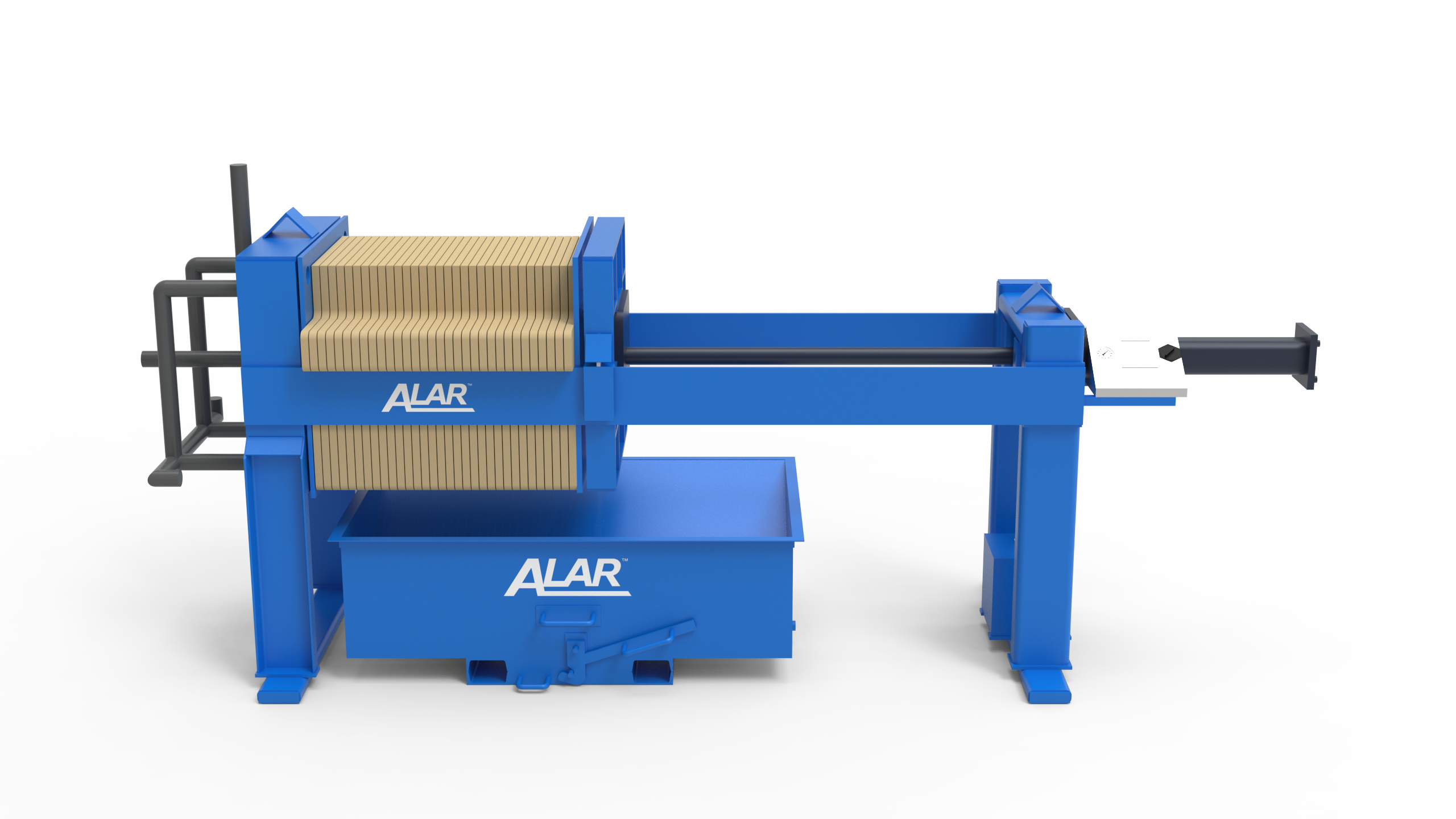
Belt filter presses without polymer conditioning were widely deployed at centralized facilities beginning around 2012 as operators sought to reduce lagoon footprint. Without proper sludge conditioning, however, a belt press processing Permian Basin oilfield sludge at 3 to 5% feed solids concentrations tends to produce a wet, poorly-releasing cake at 10 to 14% dry solids — frequently blinding the belt media with fine clay particles and requiring frequent wash cycles that reduce effective throughput by 25 to 40%.
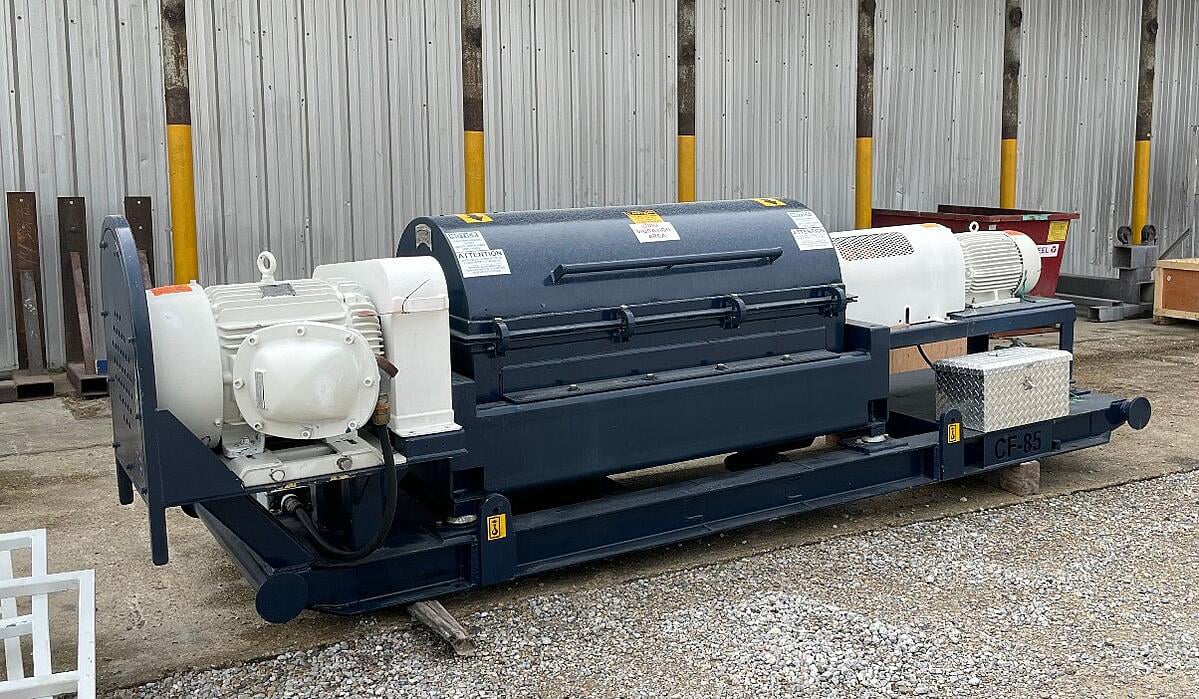
Decanter centrifuges offered better mechanical dewatering force, but share the same fundamental limitation: applied centrifugal or pressure force cannot overcome the colloidal stability of fine clay particles carrying residual surface charge. Without conditioning those particles through charge neutralization and polymer bridging, mechanical equipment is fighting the chemistry and losing.
Traditional vs. CPAM-Optimized Dewatering: A Performance Comparison
| Performance Parameter | Gravity Lagoon (Legacy) | Belt Press, No Polymer | Centrifuge, No Polymer | Belt Press + CPAM Conditioning | Filter Press + CPAM Conditioning |
|---|---|---|---|---|---|
| Sludge Feed Solids | 2–5% | 3–6% | 3–6% | 3–8% | 3–10% |
| Cake Dry Solids Output | 8–14% | 10–15% | 12–18% | 18–28% | 22–35% |
| TSS in Returned Centrate / Filtrate | 800–2,500 mg/L | 500–1,800 mg/L | 400–1,200 mg/L | 80–250 mg/L | 40–150 mg/L |
| Relative Sludge Disposal Volume | Baseline (100%) | ~75% of baseline | ~65% of baseline | ~35–45% of baseline | ~25–35% of baseline |
| Belt / Media Blinding Risk | N/A | High (fine clay fines) | Moderate | Low | Very Low |
| Polymer Conditioner Required | None | None | None | CPAM (medium-high MW, 40–70% cationic) | CPAM (medium-high MW, 40–70% cationic) |
| Clear Water Recovery Quality | Poor (recycled load) | Moderate | Moderate | High — reuse-eligible | Very High — reuse-eligible |
| Relative Operating Cost Index | 1.00 | 0.85 | 0.80 | 0.45–0.55 | 0.35–0.48 |
The clear water recovery quality metric in that table deserves specific attention. When a belt press or filter press operates with properly conditioned CPAM-flocculated sludge, the filtrate — the water expressed through the filter media during pressing — is dramatically cleaner than the centrate or drainage from unoptimized mechanical dewatering. TSS values in the 40 to 150 mg/L range in the filtrate, compared to 800 to 2,500 mg/L from gravity consolidation, means the returned water stream is eligible for direct recycling into fracturing fluid blending or reuse injection programs — rather than recirculating a high-TSS, high-turbidity load back through the treatment system.
CPAM in Dewatering: The Engineering Underneath the Performance Numbers
The mechanism by which cationic polyacrylamide transforms sludge dewatering performance is the same fundamental colloid chemistry that makes it effective in upstream clarification — but the application conditions and formulation requirements in a sludge conditioning circuit deserve their own engineering consideration.
Oilfield sludge from produced water and fracking flowback clarifier underflows is a concentrated suspension of fine clay minerals, silica fines, iron hydroxide precipitates, residual hydrocarbon droplets, and biological solids — all carrying net-negative surface charges that hold the suspension in a relatively stable, gel-like state that resists both gravity consolidation and mechanical pressure dewatering. The surface area-to-volume ratio of these particles is enormous, meaning the charge stabilization effect is proportionally large.
CPAM conditioning addresses this through a two-step mechanism: the cationic charges on the polymer backbone neutralize particle surface charges, eliminating the electrostatic repulsion that prevents particles from approaching each other; then the high-molecular-weight polymer chains extend across multiple particle surfaces simultaneously, physically bridging particles into large, open, rapidly-settling floc structures with far higher permeability to expressed water than the original fine-particle sludge matrix.
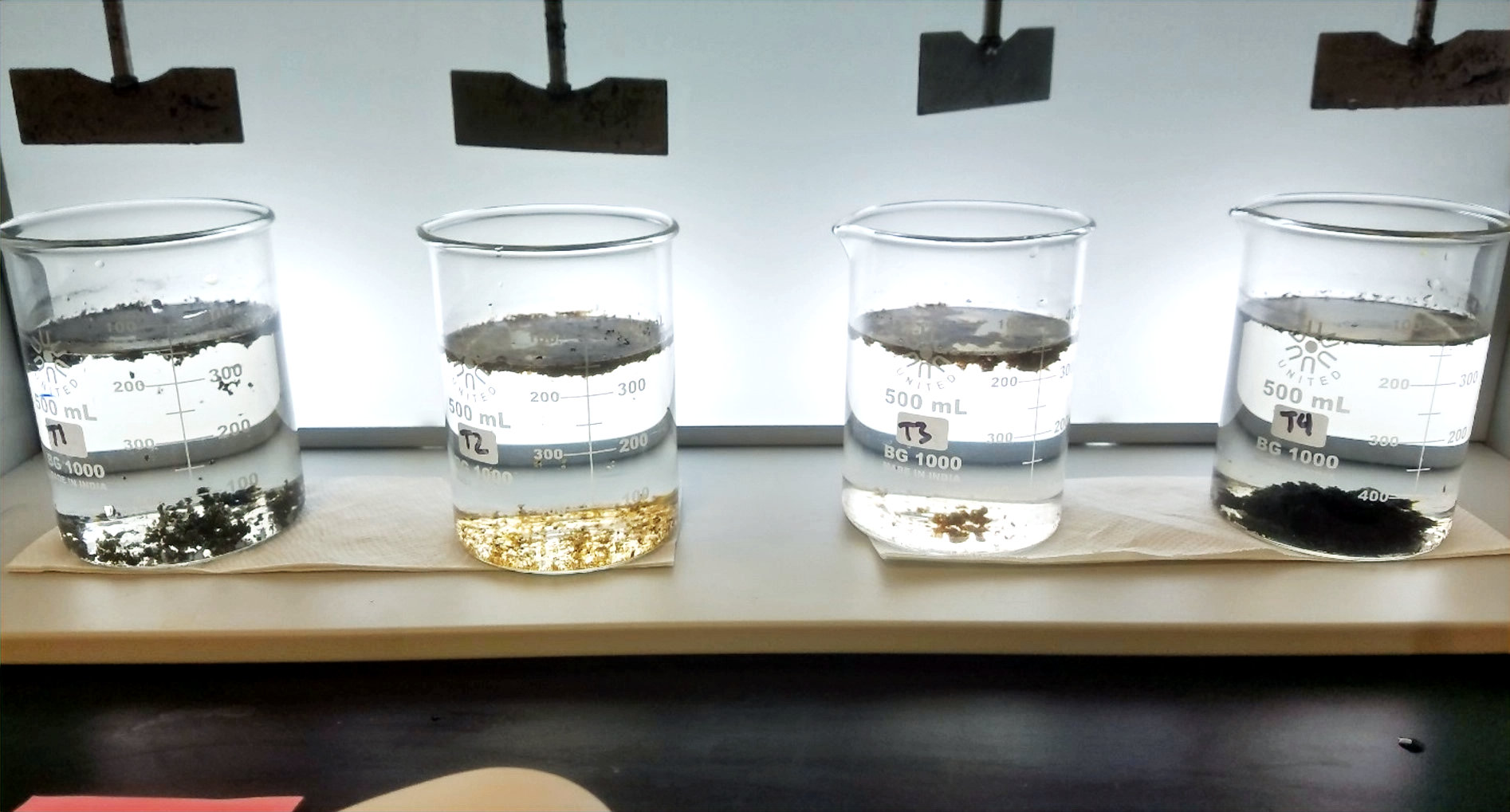
The specific CPAM formulation required for effective sludge conditioning in Permian Basin operations — particularly high-TDS Delaware Basin streams where the interaction of cationic polymer with high divalent ion concentrations affects charge behavior — is not a generic specification. Molecular weight selection (typically 8 to 16 million Daltons for filter press conditioning applications) and cationic charge density (typically 40 to 70 mole percent for Permian Basin oilfield sludge) must be matched through laboratory jar testing against representative sludge samples from each facility’s specific feed stream.
Dosing rate is equally critical. Insufficient CPAM dosing leaves residual surface charge unaddressed and produces weak, water-retaining flocs that perform poorly under press pressure. Overdosing — a common error when operators apply a generic “more is better” approach to polymer addition — can restabilize the suspension through charge reversal, actually increasing the difficulty of dewatering and producing a stickier, harder-to-handle cake that blinds filter media faster. Getting dosing right requires systematic jar testing, automated polymer make-down and dosing systems capable of precise concentration control, and regular performance monitoring against both cake solids and filtrate quality targets.
For facilities that are also managing EOR injection water quality — conditioning produced water for polymer flooding programs using anionic polyacrylamide (APAM) as an EOR mobility control agent — the produced water clarification and sludge dewatering circuits must be designed to avoid contamination of the injection stream with residual CPAM from the dewatering circuit. These are engineering compatibility issues that require integrated process design, not sequential technology selection.
The operators achieving the best sludge dewatering economics in the Permian Basin in 2026 are those who have built a systematic, chemistry-first approach to the problem: they conduct regular polymer performance audits, they track cake dry solids and filtrate TSS as primary KPIs alongside throughput, and they treat polymer selection and dosing as ongoing engineering optimization rather than a one-time procurement decision. The return on that systematic approach — in reduced disposal volumes, lower trucking costs, recovered water reuse value, and reduced regulatory compliance risk — consistently exceeds the incremental cost of the polymer and the analytical overhead by a substantial margin.
This concludes our three-part series on Permian Basin produced water challenges. In future articles we will explore specific CPAM case studies and dosage optimization techniques.