Ordering PAM samples for high-calcium brine requires more detail than reporting total dissolved solids. Two produced waters with similar conductivity can have different hardness, suspended matter, oil content and responses to a polymer program. The buyer needs a sample matrix that represents the actual treatment duty, not a general claim that a product is salt tolerant.
Describe the brine and the target
Provide available calcium and magnesium results, salinity or conductivity, pH, temperature, suspended solids and oil information. Identify the sampling point and whether coagulants or other chemicals have already been added. Explain whether the objective is settling, flotation, filter protection or sludge dewatering. Those duties do not necessarily use the same candidate grade or acceptance endpoint.
If chemistry varies with well mix, send the range and the timing of changes. Avoid declaring one bottle representative of the whole system. Ask the laboratory how samples should be collected and transported; oilfield brines may have hazards that require site-specific handling and classification.
Test preparation water separately
The water used to prepare polymer can differ substantially from the process brine. Tell the supplier whether the make-down system uses fresh water, softened water or a recycled stream. Compare the proposed preparation method using that actual source. A grade that works when laboratory staff prepare it with clean water may become impractical if the plant cannot reproduce those conditions.
Request suitable candidates through Xinqi Polymer and use the anionic polyacrylamide range as one screening category where the separation duty supports it. High calcium alone does not justify selecting anionic, cationic or nonionic polymer without testing.
Order a structured sample set
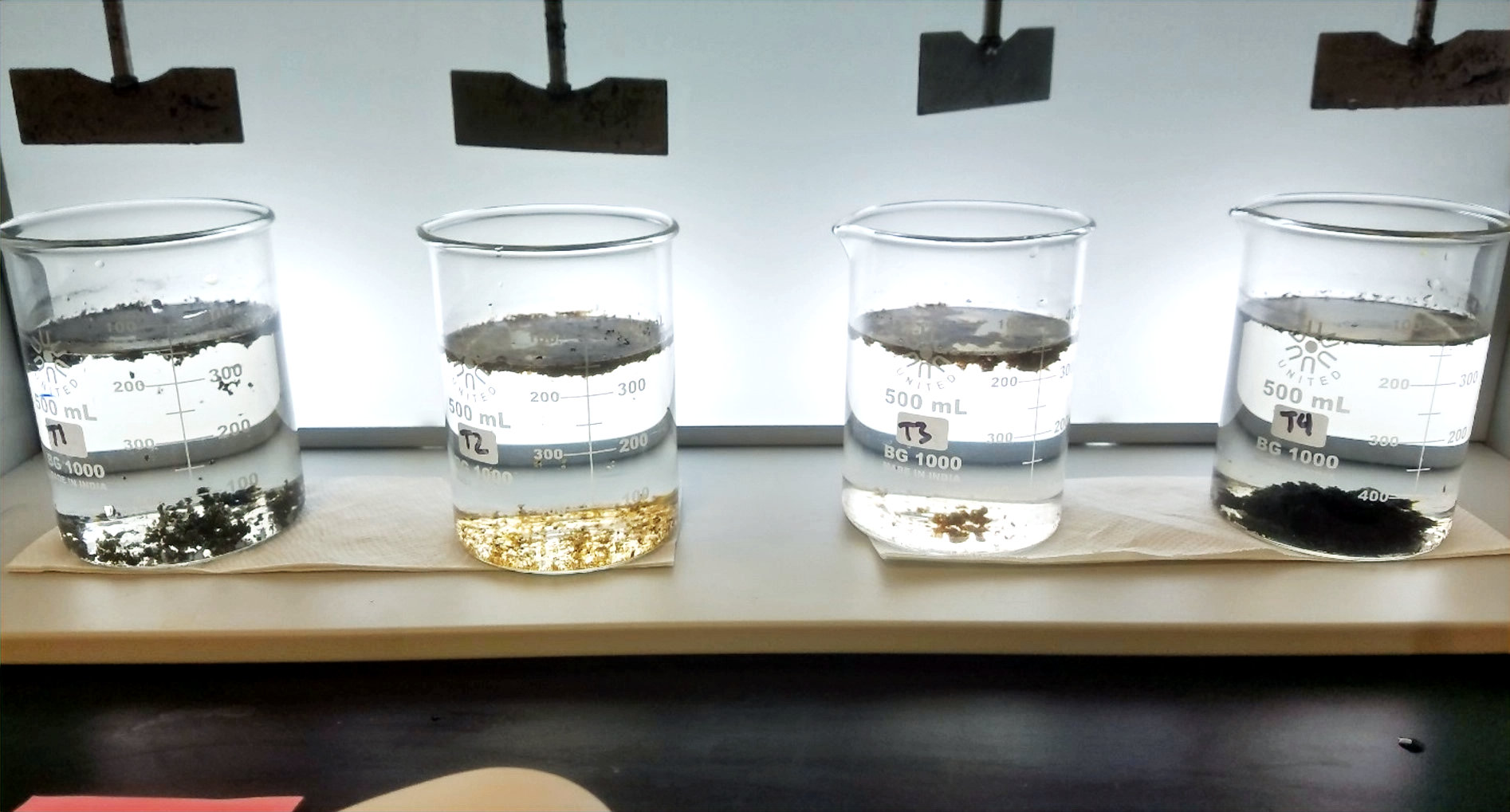
Specify labelled grade codes, enough material for repeated tests and preparation guidance for each candidate. Include the current accepted product as a control. Run several doses and keep temperature, mixing and observation time consistent. Observe whether apparent clarification is accompanied by manageable sludge and stable downstream water quality. Do not interpret persistent dissolved salinity as a flocculation failure: PAM does not desalinate brine.
Convert the result into purchasing limits
Document the water conditions under which the selected sample passed and identify conditions that remain untested. Request commercial packaging, batch documents and a limited field quantity only after the preparation method is workable. If a candidate requires a new make-down water supply, include that dependency in the procurement decision. An offer described as suitable for high-TDS water should be tied to evidence from the buyer's calcium-rich stream, not accepted as an unrestricted compatibility guarantee.
Technical checks before the order
Use the existing High-TDS Produced Water Clarifier APAM Program: From Jar Test to Field Dose guidance to assemble the operating data for this purchase. Include the accepted trial conditions and unresolved questions in your product enquiry, so the proposed supply can be reviewed against the actual facility requirements.