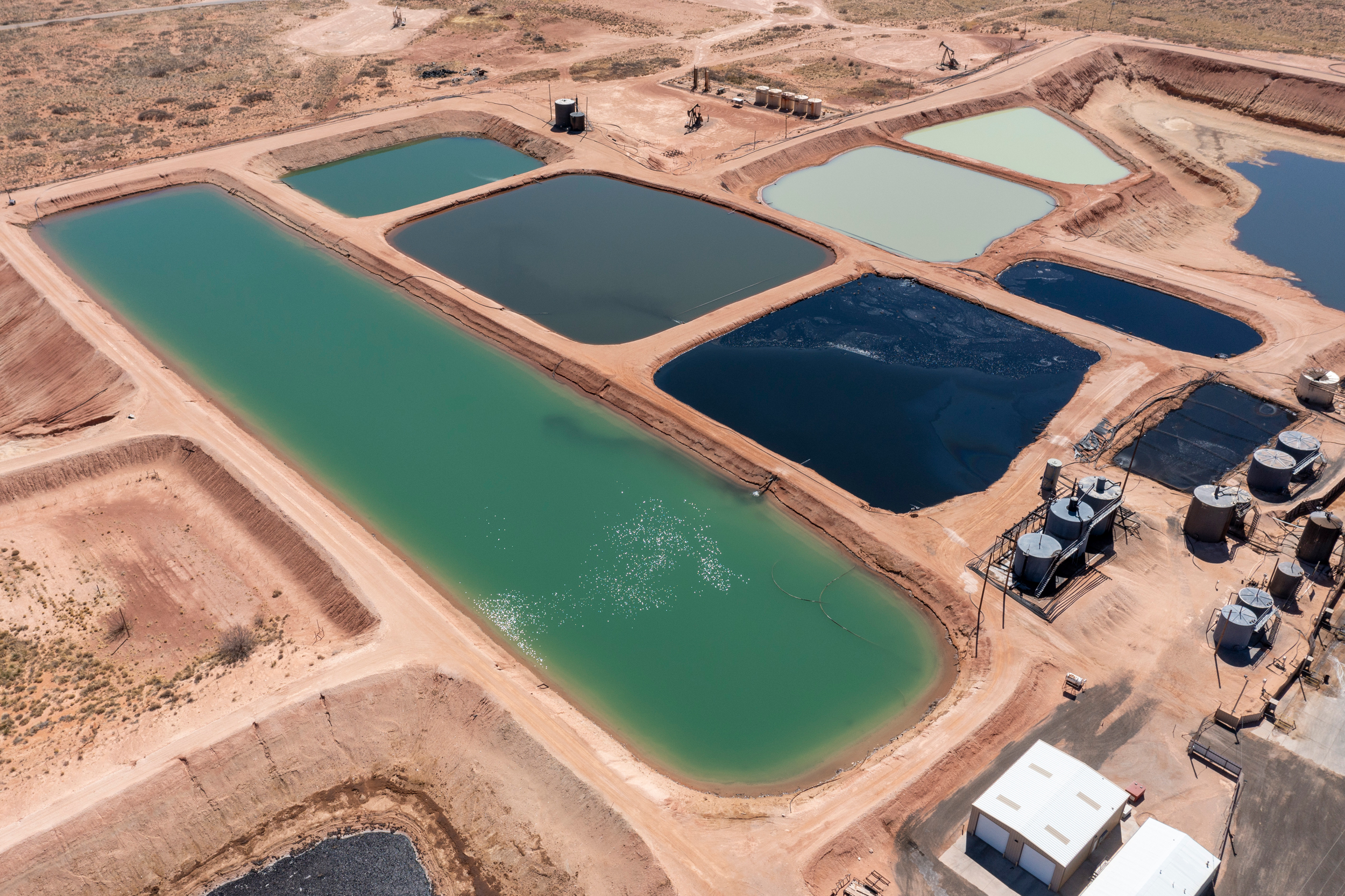
An oil-free flotation polymer claim can matter to a produced-water buyer, but the wording needs a defined technical meaning. It should not be treated as a promise of zero oil in the treated water. The purchased formulation, incoming oil load, analytical method and separation equipment all affect the result. The RFQ should distinguish formulation information from treatment performance.
Ask what the claim covers
Request the physical form, carrier description and the supplier's definition of oil-free. Ask whether the statement applies to the commercial product or only to its intended use. Safety documentation may describe broad constituents without providing a complete formula; obtain the additional information needed for the site's chemical review through the proper technical channel.
Do not assume a powder, dispersion or emulsion can be installed in the same preparation equipment without adjustment. Confirm feeding, wetting, inversion where applicable, solution concentration and storage requirements. The value of a carrier-related claim disappears if the facility cannot prepare the product consistently.
Measure the relevant water endpoint
Define how oil and grease or other relevant hydrocarbons will be measured and where samples will be collected. Compare blank water, the incumbent program and proposed candidates. Ask the laboratory whether the analytical method could be affected by the product formulation. Visual clarity alone cannot resolve those questions, and an oil-free product cannot remove dissolved contaminants simply by avoiding an oily carrier.
Use Xinqi Polymer's enquiry channel to confirm which formulation options are actually available rather than assuming a catalogue category implies a specific carrier. Where screening includes cationic flocculants, retain the same product-identity and testing requirements for each candidate.
Evaluate flotation rather than settling alone
Record bubble contact, float stability, skimming behavior and the solids content of the removed phase. A settling jar can help initial screening but does not reproduce every flotation condition. Check whether a candidate produces a stable removable float or a fragile layer that returns material to the water. Compare chemical consumption only after comparable outlet quality is achieved.
Write an evidence-based purchase condition
Attach the accepted formulation description and trial results to the commercial order. Define whether a carrier change triggers a new compatibility review. Keep batch identity and preparation instructions available to the operators. The purchasing advantage should be a demonstrated fit with the site's oil measurement and flotation duty, not an unsupported environmental or performance claim attached to a product label.
Technical checks before the order
Use the existing Produced Water Dissolved Air Flotation Polymer Support guidance to assemble the operating data for this purchase. Include the accepted trial conditions and unresolved questions in your product enquiry, so the proposed supply can be reviewed against the actual facility requirements.